










Why Branded Merchandise Builds Loyalty When Advertising Cannot
Customer loyalty is not built through impressions — it is built through experiences. An ad seen a hundred times creates awareness. A quality branded item held in someone's hands, used in their daily routine, and carried into their world creates something different: a tangible, physical connection between the customer and the brand that no digital touchpoint replicates.
The psychology behind this is straightforward. When a business gives a customer something genuinely useful and well-made, the customer experiences a form of reciprocity — a sense that the brand values the relationship beyond the transaction. That feeling of being valued is the foundation of loyalty. Loyalty programs, points systems, and discount mechanics can reinforce that feeling, but they cannot create it. A quality branded tumbler that a customer uses every morning, a magnet on their refrigerator with the business name and number, or a premium acrylic sign that a client displays in their office — these objects carry an emotional weight that a coupon code never achieves.
The most loyal customers are not the ones who got the best price. They are the ones who feel most connected to the brand. Branded merchandise creates that connection in a form that lives in the customer's daily environment — reinforcing the relationship every time they reach for the tumbler, glance at the magnet, or use the product bearing the brand they trust.
The Psychology of Branded Gifts: Why Physical Objects Create Emotional Bonds
Understanding why branded merchandise works psychologically helps businesses invest in it strategically rather than treating it as a line item to minimize. Three well-documented psychological principles explain the loyalty impact of quality branded gifts.
The Reciprocity Principle
Reciprocity is one of the most robust findings in social psychology: when someone gives us something of genuine value, we feel a natural inclination to give something back. In a business context, a quality branded gift creates a sense of obligation — not the uncomfortable kind, but the warm kind that translates into repeat purchases, positive reviews, and referrals. The key word is genuine value. A branded item the recipient actually uses triggers reciprocity in a way that a cheap giveaway discarded immediately does not. The quality of the gift communicates how much the business values the customer, and the customer's response to the gift reflects that signal back.
The Endowment Effect
Once a person owns an object, they value it more than they would have before receiving it — this is the endowment effect, and it applies directly to branded merchandise. A customer who receives a quality branded tumbler now owns something associated with the brand. The brand becomes part of their daily life in a literal, physical sense. Their attachment to the object transfers, at least partially, to the brand itself. This is why the quality and utility of the branded item matters so much: the endowment effect amplifies the value the recipient already perceives in the object. A high-quality tumbler they use every day creates a strong positive association; a cheap pen that stops working in a week creates the opposite.
Identity Signaling and Brand Association
People use the objects they carry and display to signal their identity and affiliations to the world. A customer who carries a branded tumbler from a business they love is making a statement about themselves — they associate the brand's values with their own. This is why design matters as much as utility in branded merchandise: a tumbler that looks good enough to carry in public becomes a voluntary brand endorsement every time it appears in a coffee shop, gym, or office. The customer is not just a customer at that point — they are an advocate, broadcasting their loyalty to everyone in their environment. The brand earns that advocacy by giving them something worth displaying.
Merchandise Touchpoints Across the Customer Loyalty Journey
The most effective branded merchandise strategy maps specific products to specific moments in the customer relationship — from the first purchase through long-term loyalty. Each stage of the relationship has a different emotional context, and the right merchandise for each stage reflects that context.
| Customer Stage | Emotional Context | Best Merchandise | Loyalty Goal |
|---|---|---|---|
| First purchase / new customer | Excitement, evaluation — "Did I make the right choice?" | UV DTF sticker, branded magnet, small welcome gift | Confirm the decision — reinforce that the choice was right |
| Repeat customer | Familiarity, mild preference — "I like this brand" | Branded tumbler or drinkware as loyalty milestone gift | Deepen the relationship — signal that the brand recognizes and values their loyalty |
| VIP / high-value client | Partnership, trust — "This brand understands my needs" | Premium branded tumbler, personalized acrylic gift, curated gift package | Reinforce the premium relationship — make the client feel seen as an individual |
| Milestone moment (closing, anniversary, achievement) | Celebration, gratitude | Personalized drinkware, acrylic keepsake, gift set | Create a lasting positive memory associated with the brand |
| At-risk or lapsed customer | Indifference — "I haven't thought about them lately" | Branded magnet, seasonal tumbler, surprise re-engagement gift | Reactivate — create a reason to reengage and remember the relationship |
| Long-term loyal customer | Deep brand affinity — "This is my brand" | Exclusive merchandise, limited edition drinkware, premium branded items | Reward and celebrate — make loyalty feel exclusive and recognized |
Custom Drinkware: The Most Powerful Loyalty Merchandise
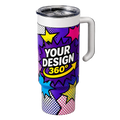
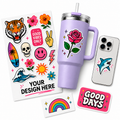
Of all the branded merchandise categories available to businesses building customer loyalty, custom drinkware generates the highest return on relationship investment. The daily use pattern of an insulated tumbler means the brand stays present in the customer's life in a way no other merchandise format matches — morning coffee, gym session, desk at work, evening wind-down. Every use is a positive brand touchpoint that reinforces the relationship without any additional effort or cost from the business.
The Welcome Gift Tumbler
A branded tumbler given to a new customer at their first significant purchase or onboarding moment answers the most important question every new customer is asking: "Did I make the right choice?" A quality gift delivered immediately communicates that the business values the relationship from day one, not just at renewal or re-engagement. For service businesses — gyms, salons, coaching practices, professional services — a welcome gift tumbler given at the first appointment or onboarding session sets a relationship tone that persists through the entire customer lifecycle. Design the welcome tumbler to reflect the brand's core identity clearly; it is the first branded object the customer will associate directly with their decision to become a customer. Always include a hand wash only care card — mild soap preserves the decoration quality for years; dishwasher use degrades it significantly. Browse styles at the custom drinkware collection or design your own with the custom tumbler designer.
The Loyalty Milestone Tumbler
A branded tumbler given at a defined loyalty milestone — a one-year anniversary, a 10th purchase, a membership renewal, or a spending threshold — transforms a transactional milestone into a relationship moment. The customer receives confirmation that the business has noticed their loyalty and chosen to honor it with something tangible. This moment is disproportionately powerful relative to its cost: a $25 tumbler given to a customer who has spent $500 with the business creates a loyalty response that a $25 discount rarely achieves, because the gift communicates recognition and appreciation while the discount communicates only a price concession. Recognition is the emotional currency of loyalty, and a quality physical gift is its most effective denominator.
The Personalized Client Gift
For businesses with a defined high-value client tier — real estate agents, financial advisors, B2B service providers, premium retail brands — a personalized tumbler that includes the client's name, a meaningful date, or a custom message elevates a branded gift to a keepsake. Personalization communicates individual attention in a way that a generic branded item, however high quality, cannot: the client understands that this specific item was made specifically for them, not pulled from a shelf of identical pieces. This perceived individual investment in the relationship is one of the most powerful loyalty signals a business can send, and it costs only the effort of personalizing the design. Use the custom tumbler designer for personalized individual orders with no minimums.
Signs and Displays as Loyalty Signals
Branded signs and display pieces serve a distinct loyalty function from drinkware: rather than traveling with the customer into their daily routine, they mark a relationship milestone in a form meant to be displayed — communicating to everyone in the client's environment that the brand values the relationship enough to commemorate it.
Acrylic Keepsake Signs for Milestone Moments
A personalized acrylic sign — "Welcome Home, [Name]" for a real estate closing, "Congratulations on 10 Years" for a business anniversary, "Member of the Year" for a loyalty recognition program — communicates that the business sees the milestone as worth commemorating. Acrylic has an inherent premium quality — the clarity, weight, and polished edge finish communicate craftsmanship — that makes the piece feel like an award rather than a promotional product. Clients who receive a quality acrylic sign display it, photograph it, and share it. Every time they see it on their desk or shelf, they associate that sense of recognition with the brand that gave it to them. Browse the acrylic signs collection for available formats and sizes.
Foam Board Displays for Events and Celebrations
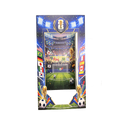
For businesses that host client appreciation events, milestone celebrations, or loyalty recognition programs, custom foam board displays — branded backdrops, event props, personalized name displays, and themed decorative pieces — transform a standard event into a branded experience that clients associate with quality and attention to detail. An event where every visual element reflects the brand's identity and the specific occasion being celebrated communicates a level of investment in the client relationship that a generic venue with no custom signage cannot. Browse options in the custom foam boards collection.
Stickers and Magnets: Everyday Loyalty Touchpoints at Low Cost
Not every loyalty touchpoint needs to be a premium gift. UV DTF stickers and custom magnets serve an important role in the loyalty merchandise ecosystem at a price point that makes broad distribution practical — keeping the brand visible in the customer's environment between the higher-value gift moments.
UV DTF Stickers as Loyalty Touchpoints
A well-designed UV DTF sticker included with a purchase, given at an event, or sent in a package insert creates a small but genuine brand moment — the customer receives something unexpected, the thick glossy finish communicates quality, and a design compelling enough to display gets applied to a laptop, water bottle, or phone case where it travels with the customer indefinitely. At $1–$4 per unit, stickers are the most cost-effective loyalty touchpoint in the branded merchandise arsenal. Their loyalty function is not the deep relationship reinforcement of a premium tumbler — it is consistent, low-cost brand presence in the customer's daily environment that keeps the brand top of mind between purchase occasions. Browse the UV DTF stickers collection or build a custom layout with the UV DTF gang sheet builder.
Custom Magnets for Long-Term Household Presence
A refrigerator magnet is seen by every member of the household multiple times per day, every day it stays on the fridge — and a well-designed magnet with a functional element (a calendar grid, a local information panel, a QR code to the loyalty program) stays on the fridge for years. For service businesses, restaurants, and any business that serves households rather than individuals, a branded magnet on the customer's refrigerator is a loyalty touchpoint that generates daily impressions at a total cost of a few dollars over the lifetime of the magnet. For loyalty program contexts, a magnet sent at the first anniversary of a customer relationship — "One Year Together, Thank You" — is a low-cost acknowledgment that communicates genuine appreciation. Browse the custom magnets collection.
Building a Loyalty Merchandise Program for Your Business
A systematic loyalty merchandise program — rather than ad hoc gifting when it is remembered — generates compounding loyalty return because every customer knows they can expect to be recognized at defined milestones. Predictable recognition is more loyalty-building than occasional surprise gifting, because it creates anticipation and signals that the brand's appreciation is structural rather than situational.
Define Your Loyalty Merchandise Tiers
Map merchandise to customer tiers based on relationship value. A three-tier framework works for most businesses: a welcome tier for new customers (UV DTF sticker or branded magnet included with first purchase), a loyalty tier for repeat customers at a defined milestone (branded tumbler at the 5th purchase, the 1-year anniversary, or a spending threshold), and a VIP tier for highest-value clients (personalized tumbler, acrylic keepsake, or curated gift package at annual review or major milestone). Each tier should represent a meaningful step up in merchandise quality and personalization — the customer should be able to perceive the difference in investment as their relationship with the brand deepens.
Choose Merchandise That Reflects Your Brand Identity
The merchandise in a loyalty program communicates brand identity as much as the design on the product does. A premium fitness studio that gives a cheap tumbler as a loyalty gift creates a brand contradiction — the product quality signals something different from the service quality the customer has come to expect. Match the merchandise quality to the brand positioning: luxury and premium brands should invest in high-quality blanks and premium decoration; value-oriented businesses can deliver genuine loyalty impact with mid-tier products at modest cost. The principle is coherence — the merchandise should feel native to the brand experience, not like a cost-minimized add-on to a loyalty program.
Personalize Where It Matters Most
Personalization is the highest-leverage loyalty element available in branded merchandise — it transforms a gift from a branded object into an individual gesture. The effort required to personalize a tumbler or acrylic sign is minimal; the loyalty impact is disproportionate because the customer feels individually seen rather than included in a batch. Prioritize personalization for the highest-value tier of your program — VIP clients, major milestone recipients, and individual closing or completion gifts. For broader distribution tiers, a well-designed non-personalized piece still generates strong loyalty impact. Use the custom tumbler designer for individual personalized orders with no minimums, or the custom drinkware collection for consistent branded pieces across a broader tier.
Track and Measure Loyalty Merchandise ROI
A loyalty merchandise program is a marketing investment and should be measured as one. Track the metrics that matter: repeat purchase rate among customers who received merchandise versus those who did not, referral rate from merchandise recipients, customer lifetime value by tier, and retention rate at loyalty milestones. These measurements do not require sophisticated analytics — a simple comparison of purchase behavior before and after a loyalty merchandise touchpoint reveals the return clearly enough to justify continued investment. Most businesses that implement systematic loyalty merchandise programs find the ROI case compelling within the first two quarters of data.
Branded Merchandise and Word-of-Mouth: The Referral Effect
Loyalty and referrals are inseparable. The customers most likely to refer others are the ones most emotionally connected to the brand — and branded merchandise is one of the most reliable ways to create and maintain that emotional connection. A customer who carries a branded tumbler into a social environment, displays a branded sign on their desk, or applies a brand sticker to their laptop is making their loyalty visible to everyone in their environment. That visibility creates referral opportunities that no digital marketing campaign can engineer.
- The tumbler conversation: "Where did you get that tumbler?" is a referral conversation that starts without any effort from the business — the customer becomes a brand ambassador simply by using the product in a social environment
- The refrigerator magnet referral: When a visitor to a customer's home needs a plumber, a real estate agent, or a restaurant recommendation and sees the branded magnet on the fridge, the customer makes the referral effortlessly because the contact information is literally in front of them
- The social media share: A quality gift — particularly a personalized one — gets photographed and shared on social media, extending the brand's reach to the customer's entire network without any paid promotion
- The office desk display: A branded tumbler on a customer's desk is seen by every coworker, client, and visitor who enters that office — a passive but persistent brand presence in a professional environment that reaches an audience the brand could never target directly
- The milestone announcement: A client who receives a personalized acrylic sign or keepsake gift at a closing or major milestone often shares the moment — on social media, in conversation, or in a review — because the brand created a genuinely memorable experience worth talking about
Frequently Asked Questions
Branded merchandise builds loyalty through three interconnected mechanisms. First, the reciprocity effect: a quality gift creates a sense of appreciation and obligation that translates into repeat purchases, positive reviews, and referrals. Second, daily presence: a branded item used every day keeps the brand top of mind in a way that digital advertising cannot sustain — a tumbler on a desk or a magnet on a fridge generates impressions without any ongoing cost. Third, identity association: when customers carry or display branded merchandise, they associate the brand's identity with their own and become voluntary advocates in every environment they bring the product into. Together, these three effects compound over time into deep brand loyalty that is resistant to competitor offers and price competition.
The best loyalty merchandise is the product that will be used most consistently in the customer's daily life — which for most audiences is a quality insulated tumbler. Daily use means daily brand impressions, and daily brand impressions mean the relationship stays active between purchase occasions. For the broadest loyalty tier, UV DTF stickers and custom magnets provide cost-effective touchpoints that keep the brand visible at low per-unit cost. For VIP and milestone recognition, a personalized tumbler combined with an acrylic keepsake creates a high-impact gift moment that clients remember and talk about. The best program uses all three tiers systematically — volume stickers and magnets for broad engagement, premium drinkware for loyalty milestones, and personalized keepsakes for the highest-value relationships. Browse the custom drinkware collection and the acrylic signs collection to build your loyalty merchandise program.
Yes — a quality branded tumbler is one of the most effective customer loyalty gifts available. Used twice a day, a 20oz insulated tumbler generates over 700 brand impressions per year at a cost-per-impression that no other loyalty investment approaches. The key is quality: a well-decorated tumbler on a quality blank communicates that the brand values the relationship; a cheap tumbler signals the opposite. Always include a hand wash only care card — hand washing with mild soap preserves the UV DTF decoration for years, while dishwasher use degrades it significantly. Use the custom tumbler designer to preview personalized designs, or browse the full custom drinkware collection for available styles.
A practical loyalty merchandise budget framework: $2–$5 per new customer for a welcome tier gift (sticker or magnet), $20–$35 per repeat customer at a defined loyalty milestone (quality branded tumbler), and $40–$80 per VIP client for an annual or milestone gift (personalized tumbler, acrylic keepsake, or curated gift set). Frame the investment relative to customer lifetime value rather than as an isolated cost: a $25 tumbler given to a customer generating $1,000 per year in revenue is a 2.5% relationship investment that generates compounding loyalty return through repeat purchases and referrals. Most businesses that track the purchase behavior of loyalty merchandise recipients find the ROI is among the highest of any marketing expenditure in the budget.
Yes — personalization significantly amplifies the loyalty impact of any branded merchandise piece. When a customer receives a gift with their name, a meaningful date, or a personal message, they understand that the item was made specifically for them — not pulled from a batch of identical pieces. That individual attention communicates a level of relationship investment that generic branded merchandise, however high quality, cannot match. The practical difference is that a personalized piece becomes a keepsake while a non-personalized piece is a branded product — and keepsakes are kept, displayed, and talked about in ways that standard promotional items are not. Use the custom tumbler designer for individual personalized orders with no minimums required.
Branded merchandise generates referrals through visibility and emotional association. A customer carrying a branded tumbler into an office, gym, or social setting creates referral conversations naturally — someone notices the brand, asks about it, and the customer makes an endorsement that no paid advertising can replicate because it comes from a trusted personal connection. A magnet on a customer's fridge puts the business name and number in front of every visitor to their home — the moment a visitor needs the service the business provides, the customer can make a referral immediately. The emotional component matters equally: a customer who received a quality, thoughtful gift from a brand is motivated to recommend that brand because the act of recommending it reflects well on them. They are endorsing a brand that treated them with genuine appreciation — which says something positive about their own judgment and taste.
For B2B customer loyalty, the most effective merchandise combines desk presence with premium quality — pieces that sit in the client's office environment and are seen by every visitor and colleague. A branded tumbler on the desk generates daily impressions in a professional setting. An acrylic sign or award display communicates recognition of the relationship in a form the client is proud to show. At annual contract renewal, a project completion milestone, or a partnership anniversary, a personalized gift package combining a quality tumbler and an acrylic keepsake is a far more relationship-building investment than a discount offer or a renewal incentive — it signals that the business values the partnership as a relationship, not just a revenue stream. Browse the custom drinkware collection and acrylic signs collection for B2B gift options.
Loyalty points programs create transactional loyalty — customers return because it is financially rational to accumulate and redeem points, not because of emotional connection to the brand. Branded merchandise creates emotional loyalty — customers return because they feel genuinely valued and connected to the brand. The practical difference is fragility: transactional loyalty dissolves the moment a competitor offers better points economics. Emotional loyalty is far more resilient to competitive offers because it is not based on rational calculation. The most effective loyalty programs combine both: a points or rewards structure that creates rational return incentives, and branded merchandise gifts at key milestones that create the emotional connection the points system alone cannot build. Used together, the two mechanisms reinforce each other and produce stronger retention than either achieves independently.


